You’ve watched FPV drone racers thread carbon-fiber quads through neon-lit warehouses at 100+ mph on ESPN broadcasts. That gut-punch thrill when a pilot nails a hairpin turn at full speed? It’s not just for pros anymore. How to become a drone racer starts with one critical truth: your first $200 micro-drone and 20 simulator hours will outperform a $1,500 ready-to-fly rig piloted by an untrained newbie. This guide cuts through the hype with battle-tested steps used by MultiGP champions—from your very first hover to crossing the finish line in front of screaming crowds. Forget theory; we’ll show you exactly which gear earns respect at local meets, how to avoid the top 3 rookie mistakes that get beginners banned from races, and why the fastest pilots spend more time analyzing blackbox logs than chasing speed records.
Most newcomers crash their first drone within 15 minutes from skipping simulator training. But follow this roadmap, and you’ll complete clean laps at your first MultiGP-sanctioned event within 30 days. The sport’s explosive growth means local chapters host beginner-friendly time trials every weekend—no prior experience needed. Let’s get you airborne.
Select Your First Racing Drone Strategically
RTF Kits vs. Custom Builds: The Real Cost Breakdown
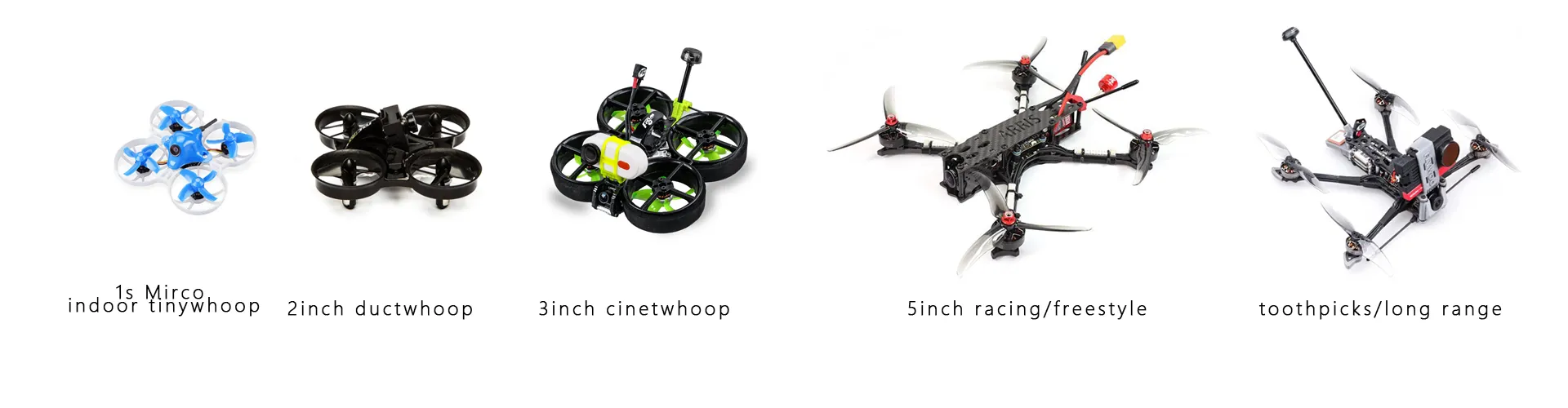
Ready-to-fly systems get you racing faster but limit growth. The BetaFPV Cetus X ($200) bundles a ducted micro-drone, transmitter, and goggles—perfect for indoor winter practice where crashes cost $3 prop replacements instead of $30 carbon arms. But its locked-down firmware prevents performance tuning, trapping you at beginner speeds. HGLRC’s Draknight RTF ($400) offers outdoor capability with 3.5-inch props but uses outdated radio protocols causing dangerous video lag during tight gate sequences.
Custom builds pay dividends through repair mastery. A competitive 5-inch starter rig ($600-$800) uses proven components: XR220 carbon frame, 2205 2450kV motors, and ExpressLRS receivers. Crucially, you’ll reuse your transmitter and goggles across future builds—making each new race quad cheaper. Top regional pilots recommend copying championship-winning parts lists from forums like IntoFPV; this shortcuts months of trial-and-error tuning.
Size Selection That Prevents Early Burnout
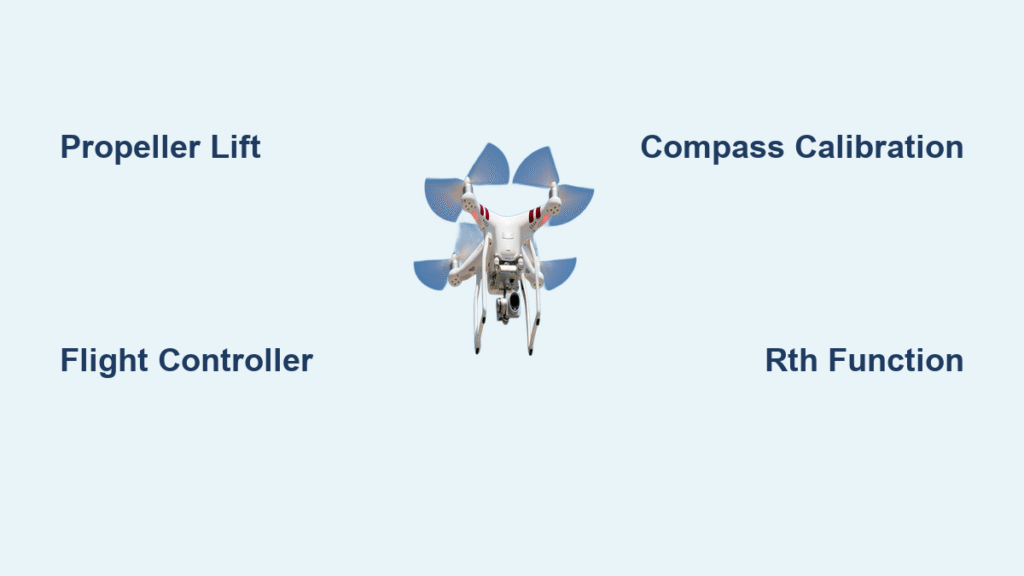
Tiny Whoops (1-2″) dominate indoor training for good reason. Their ducted propellers survive wall strikes while you master stick coordination—critical since 85% of beginners quit after destroying three outdoor drones. 3-inch micros bridge the gap: light enough for sub-250g legal flights in parks, yet powerful enough for outdoor speed work. 5-inch quads remain the outdoor racing standard, hitting 100+ mph on 6S batteries with GoPro mounting options. Skip 6-7 inch models—they’re optimized for cinematic cruising, not tight gate sequences.
Master FPV Simulators Before Your Maiden Flight
Simulator Training That Transfers to Real-World Speed
Velocidrone’s physics engine replicates real-world turbulence and offers official MultiGP track downloads—practice your local chapter’s course layout before arriving. Start with DRL Simulator (free on Steam) to learn gate threading fundamentals without fear of crashing. Log 15-20 hours minimum; elite pilots like DRL’s “The Pilot” credit 50+ simulator hours for their first podium finishes.
Critical Simulator Settings Beginners Ignore
Disable stabilized flight modes immediately. Acro mode (rate mode) builds proper muscle memory—relying on angle mode creates dangerous habits when racing. Set roll rates to 800-1000°/sec and pitch to 400-500°/sec to match real drone performance. Enable infinite battery mode to drill gate sequences 100+ times, focusing on smooth throttle inputs that conserve real battery life. Pro tip: Record simulator DVR footage, then shadow-fly with your transmitter while replaying—this builds neural pathways 3x faster than actual flight.
Build Your Skill Progression in 30 Days
Week 1-2: Simulator Foundation Drills
Complete basic MultiGP tracks under 2 minutes without crashing. Master emergency recovery maneuvers like inverted saves and prop wash recovery until they’re instinctive. Track total stick time, not days—15 focused hours beats 30 distracted minutes. Physical conditioning is non-negotiable: perform tennis ball squeezes (3 sets x 10 reps) between sessions to prevent mid-race hand cramps that cause catastrophic crashes.
Week 3-4: Real-World Flight Protocol
Start with line-of-sight (LOS) hovering before touching FPV goggles. Practice nose-in/out figure-8s at 3 feet altitude until orientation feels natural—this prevents the #1 beginner mistake: losing spatial awareness during first-person flight. Build a $10 backyard course using pool noodles and PVC pipes. Fly 10 batteries daily, focusing on consistent lap times over speed. Micro-Whoops like the Tinyhawk II maintain stick dexterity during winter crashes into furniture—keeping skills sharp year-round.
Essential Racing Gear Checklist for Day One

Transmitter/Receiver System That Wins Races
ExpressLRS 2.4GHz delivers 500Hz refresh rates—critical for sub-10ms control response. Radiomaster TX16S transmitters ($150) with Hall-effect gimbals provide precise stick feel you’ll use for years. Budget $100-200 here; cheap radios cause video dropouts during critical race moments.
Goggles and Video Systems That Matter
Analog goggles ($200-400) dominate competitive racing despite lower resolution because digital systems (DJI O3/Walksnail) add 5-10ms latency—equivalent to 15 feet of reaction distance at 100 mph. Diversity receivers with patch + omni antenna combos prevent mid-race signal loss. Always perform frequency scans: power on goggles first, check active channels, then claim your slot on the whiteboard before powering VTX. Skipping this gets beginners banned instantly.
Battery Safety Protocol Every Racer Must Follow
Charge LiPos in fireproof bags at 1C rates max. Store batteries at 3.8V/cell when not racing. Bring 6-8 batteries per event—5-minute flight times demand rapid cycling. Use parallel charging boards with individual cell monitoring; never leave charging unattended. 6S 1100mAh 120C batteries are non-negotiable for 5-inch racing—higher voltage delivers faster motor response than 4S setups.
Join Your First Race Without Embarrassing Yourself
Finding Beginner-Friendly Events
Search MultiGP.com’s chapter locator for “Beginner Time Trials”—most regions host monthly low-pressure events. Facebook groups like “Midwest FPV Racers” announce pop-up races where veterans mentor newcomers. Volunteer as a marshal first to observe top pilots’ pit setups and racing lines without entry pressure.
Race Day Etiquette That Earns Respect
Frequency management is sacred. Power on goggles before VTX, claim your channel visibly, and wait for airborne quads to land before launching. Keep pit areas organized with labeled batteries—spinning props on benches mark you as an amateur. Marshals retrieve crashed quads; pilots stay behind safety lines. Bring identical spare parts (props, ESCs, motors) so field repairs take 10 minutes, not 30.
Upgrade Path to Competitive Racing
Blackbox Tuning That Cuts Lap Times
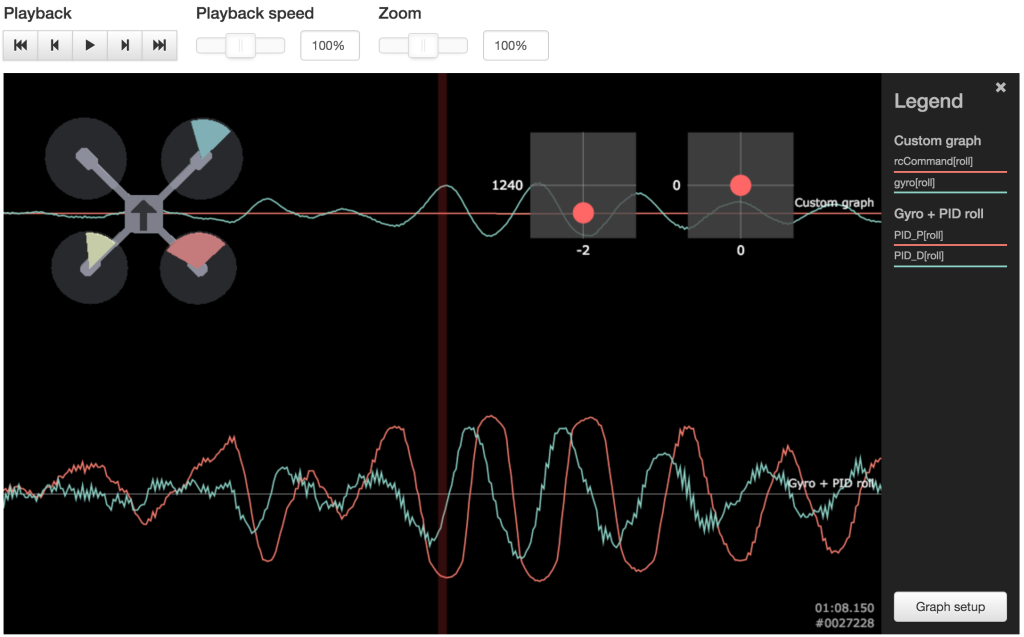
Download gyro data after every flight via Betaflight. Prioritize eliminating prop wash oscillation—this causes 70% of mid-turn crashes. Adjust PID gains in 5% increments; overshoot reduction comes second. Customize rate curves: lower expo for precision gate threading, higher rates for wide-open straights. Copy regional champions’ settings as starting points—most share configs on IntoFPV forums.
Maintenance Schedules That Prevent Race-Day Disasters
After every flight: Inspect frame cracks, balance-charge batteries, tighten prop nuts. Weekly: Check motor screws and blackbox vibration trends. Monthly: Replace worn props, test ESC health via BLHeliSuite. Carry identical spare electronics—swapping a fried ESC takes 8 minutes with proper preparation. Top racers budget 20% of build cost for spares: “The $600 pilot with 100 sim hours beats the $3,000 pilot with 10 hours every time,” says MultiGP champion Alex Vanover.
Continuous Learning From Racing Veterans
Knowledge Sources That Actually Move the Needle
YouTube essentials: Joshua Bardwell’s PID tuning guides, Mr. Steele’s racing line breakdowns, Kabab FPV’s build reviews. Forums: IntoFPV’s blackbox analysis threads and r/FPVracing’s track layout library. DRL Academy offers free simulator tutorials for Dubai World Championship courses.
Networking That Accelerates Your Progress
Share DVR footage with local fast pilots for constructive feedback—this improves lap times faster than solo practice. Co-practice sessions reveal setup differences; swapping quads with trusted racers builds intuitive understanding of tuning impacts. Offer to film regional champions’ practice runs: you’ll learn camera positioning while earning mentorship.
Final Reality Check: FPV racing rewards consistency over heroics. Pilots who complete 20 clean simulator laps daily progress faster than those chasing speed records through 50 crashes. Master acro mode fundamentals, respect frequency protocols, and your first podium finish arrives within months—not years. The gate is waiting; your transmitter is charged. Now go earn that checkered flag.